Electrical Safety: 7 Signs You Need an Electrician Now
New Leaf Home Assist Team · New Leaf Home Assist
July 30, 2026 · 5 min read
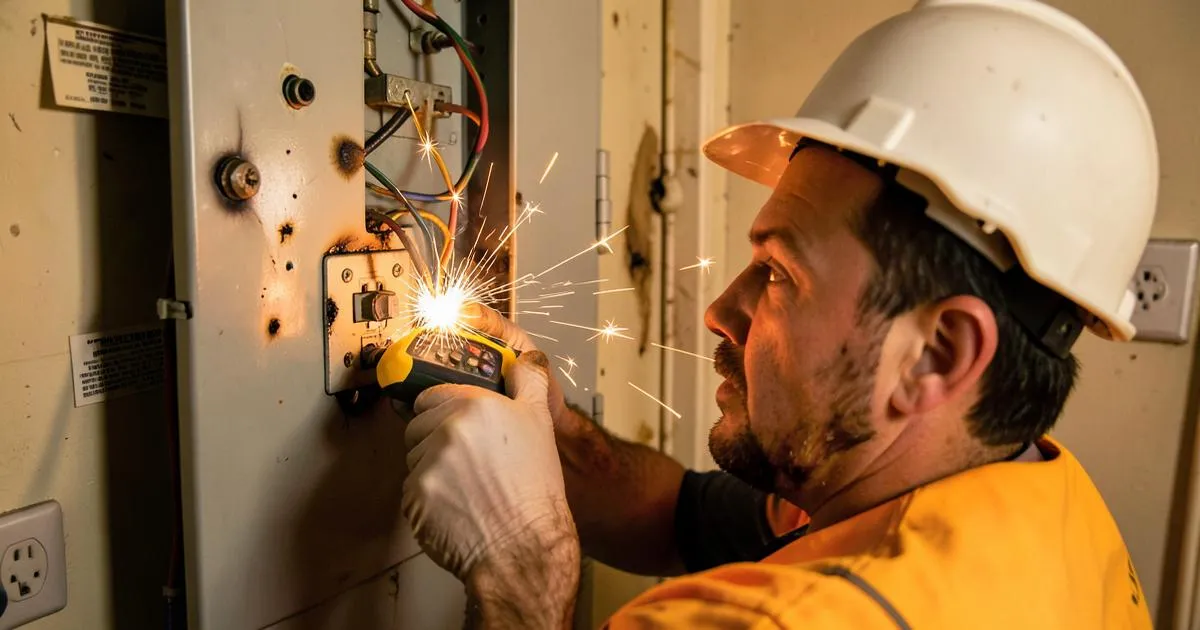
Electrical warning signs should be assessed by their risk, not by how inconvenient they are. A flickering light may have several causes, while smoke or a shock demands an immediate safety response. If you need an electrician in Davao, describe the symptom and location without opening wiring or attempting a repair. The seven signs below explain when to stop using equipment and why repeated resets or improvised fixes are not a solution.
Sign 1: A burning smell near electrical equipment
A persistent hot-plastic or burning smell around a socket, switch, appliance or panel is a reason to stop using the affected equipment. Do not keep testing it to find out whether the smell gets stronger. If the supply can be isolated from a dry, safe position, do so; otherwise stay away and seek qualified assistance.
If smoke or fire is present, leave the danger area and contact emergency services. Do not throw water on an electrical fire. A service booking must not delay a response to an immediate threat.
Sign 2: Scorching, discoloration or unusual heat
Brown marks, melted plastic or unusual heat around a plug or outlet can indicate a serious problem. Do not touch a hot fitting to measure how warm it is and do not cover it with a decorative plate. Replacing the visible part without assessing the cause may leave an underlying connection or load problem unresolved.
Stop using that outlet. Tell the electrician which appliances were connected and whether an extension cord or adapter was involved. Avoid shifting the same suspect appliance to another socket just to continue using it.
Sign 3: Persistent sparking or arcing
A brief spark at a connection is not the same as sustained arcing, but visible repeated sparking, crackling or damaged contacts warrants attention. Keep clear and stop use. Do not wiggle the plug, press the socket harder or insert a tool to investigate.
Photograph a damaged fitting only from a safe distance without recreating the fault. An electrician can assess whether the issue belongs to the appliance, socket, connection or circuit.
Sign 4: A breaker that repeatedly trips
A breaker is protective equipment. Repeated tripping means something needs assessment, whether the cause is overload, an appliance fault or a wiring problem. Do not reset it repeatedly or replace it with a higher-rated breaker to stop the interruption.
Record what was operating when the trip occurred and whether the problem affects one circuit or the whole home. If heat, smoke or a burning smell accompanies the trip, treat the situation as urgent. Leave panel covers and wiring to a qualified electrician.
Sign 5: A shock or tingling sensation
A shock from an appliance, tap or metal surface is not normal. Stop using the equipment and keep others away. Do not ask another person to touch it to confirm the sensation. Seek appropriate medical attention after an electrical injury, especially when there are symptoms or uncertainty about its effects.
Water around electrical equipment increases the danger. Our plumbing emergency article and roof leak guide explain when wet areas should be left alone rather than entered for a quick fix.
Sign 6: Unexplained buzzing or recurring flickering
An unusual buzzing or crackling sound from a fitting, or recurring flickering that affects several lights, deserves professional assessment. A bulb problem and a connection fault require different responses, and observation alone cannot reliably distinguish them.
Note whether the symptom occurs when a large appliance starts, in one room or across the home. A wider supply problem may also need coordination with the electricity provider. Do not assume every flicker is an emergency, but do not dismiss repeated flickering accompanied by heat, odor or noise.
Sign 7: Exposed, damaged or wet wiring
Frayed cords, broken outlet covers and exposed conductors should be kept out of use. Tape is not a reliable substitute for an appropriate repair. Do not touch damaged cables or operate wet switches and panels. After flooding, arrange an assessment before treating affected equipment as safe because its surface looks dry.
When seeking help, keep the report short and specific:
- The fitting or appliance involved and the first observed symptom.
- Whether there is smoke, heat, water or an injury.
- What was running and whether the breaker tripped.
- Safe photos and any previous repair information.
Arrange an assessment instead of a DIY workaround
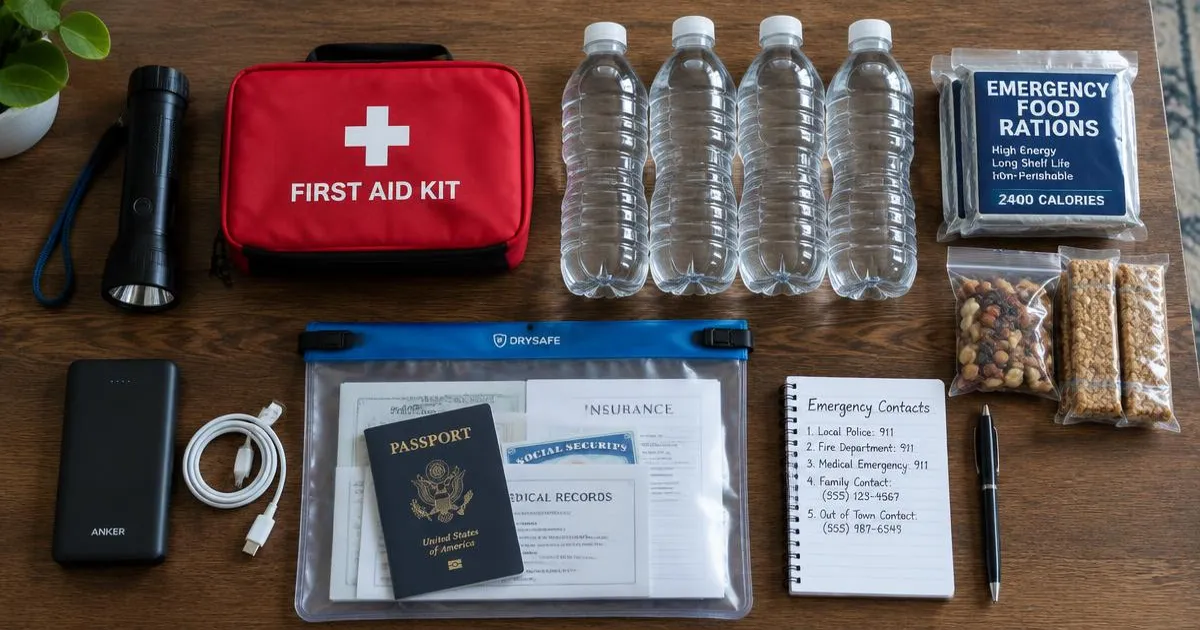
Our Davao electrical repair service page describes issues to report when seeking an electrician. Prepare for ordinary outages with the household emergency kit guide, but do not let preparations distract from an active hazard.
Explore New Leaf Home Assist for the platform overview or contact our team with service questions. The safe result is a diagnosed cause and suitable repair, not simply making the warning sign disappear.
Need help with this right now?
Describe the problem in the New Leaf app and get matched with a verified provider near you in Davao City.